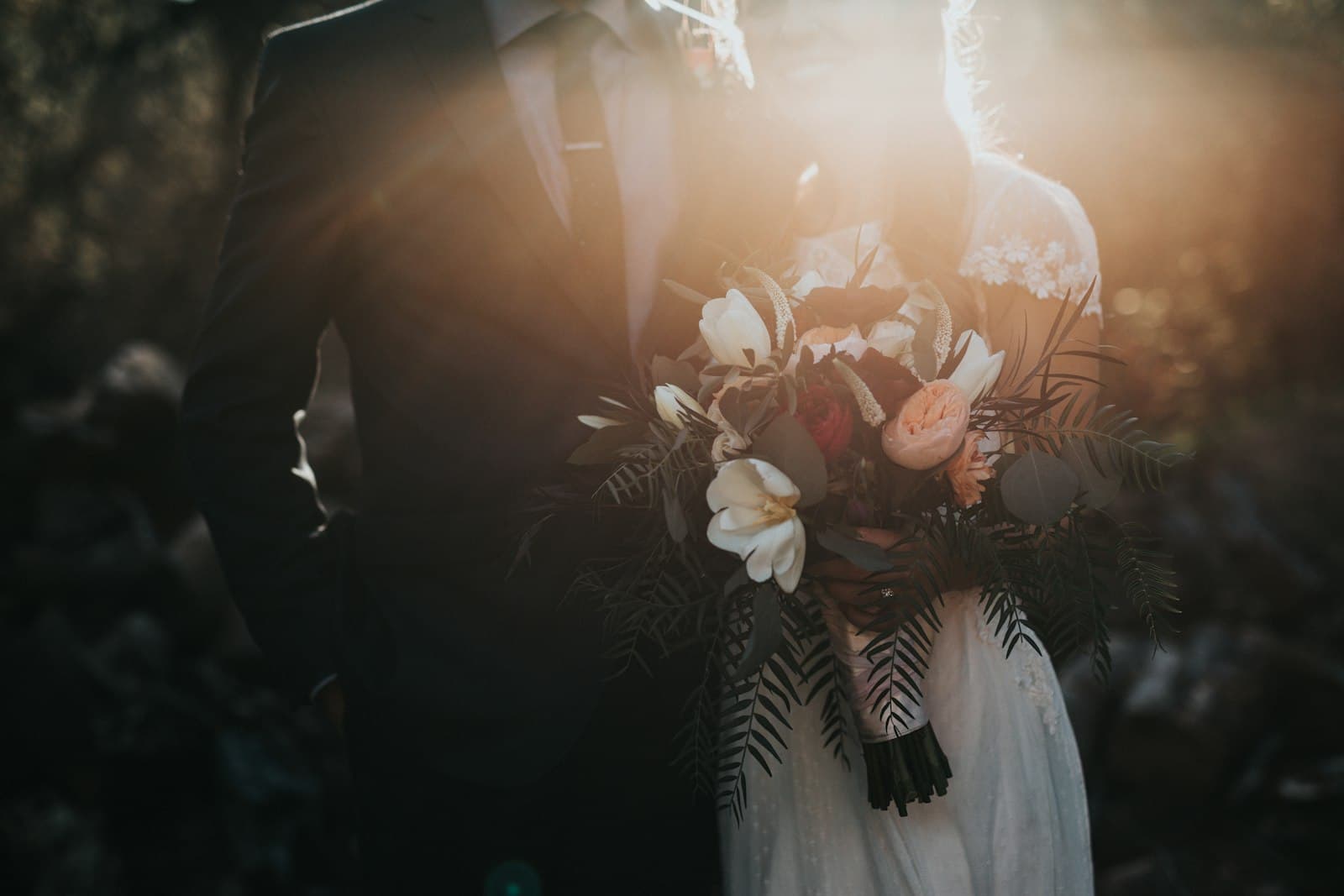
A photographer in a white shirt stands at the bow of a yacht moored in a Balearic cove. Beneath his feet, the weathered teak of the deck. At his side, a camera body poised to seize the instant. Before him, two silhouettes: a couple exchanging a glance, their faces bathed in the golden light of a late Mediterranean afternoon. The shutter clicks once — a frame that, weeks later, will become the founding image of a fine art photobook, perhaps a framed print hanging in a drawing room. This is event photography on a yacht: a precise intersection of technical mastery, artistic sensibility and a keen awareness of the natural setting.
The art of photography, in Europe, has always drawn its strength from places of particular aesthetic force. From the salons of Mayfair to the South Bank, from the Cornish coast to the shores of the Mediterranean, the most memorable images have been born of the encounter between a trained eye and an exceptional setting. Fine art photography, from Daguerre and Nadar through to today's masters, has made this tension between place and moment its central subject. A wedding or private event held aboard a yacht in the Mediterranean inscribes itself, whether one intends it or not, within that long lineage.
This in-depth guide is written for couples planning a wedding, organisers of premium events, image professionals and discerning admirers of fine art photography. We cover the European photographic heritage, the specificities of the maritime format, the photographic styles best suited to a yacht, how to choose a photographer, the technical considerations, the Mediterranean aesthetic, post-production and fine art printing, fees and practical questions. The aim: to help you commission photographic coverage worthy of an art book, one that reaches far beyond the conventional wedding report.
The Heritage of European Photography: From Paris and London to the Mediterranean
To understand what is at stake when one photographs a contemporary event on a yacht, it helps to revisit a history that begins in Paris in the 1830s and has never ceased evolving — a history that London, in particular, has shaped at every turn.
Nineteenth-century origins: Daguerre, Nadar, Atget
When Louis Daguerre presented his process to the Académie des sciences in 1839, he gave the world the first means of fixing light durably. Paris quickly became the global capital of photography. Félix Nadar, in his studio on the boulevard des Capucines, immortalised Baudelaire, Hugo and Sarah Bernhardt — laying the foundations of the modern artistic portrait. Eugène Atget, a few decades later, walked the city by foot, photographing shop windows, courtyards and covered passages, and unwittingly invented documentary auteur photography.
That continental tradition — exacting, contemplative, attentive to detail — fed the European photographic imagination that followed. It still shapes the way audiences read an image today: with attention to framing, to composition, to contained rather than declarative emotion.
The golden age: Cartier-Bresson, Doisneau, Brassaï
The twentieth century brought forth a generation of masters who elevated photography to a major art. Henri Cartier-Bresson theorised the decisive moment — that fraction of a second when composition, light and action align miraculously. Robert Doisneau captured Parisian tenderness, from the Kiss at the Hôtel de Ville to the schoolchildren of Belleville. Brassaï seized Paris by night, its lamps, its smoky cafés, its lovers. Together they invented a way of looking at the world that was intimate, literate, profoundly humane.
From this lineage emerged Magnum Photos in 1947, co-founded by Cartier-Bresson alongside Robert Capa and others. Magnum remains the absolute reference for auteur photojournalism. Its founding spirit — to photograph is to learn to see — still summarises the ethic of fine art photography across Europe.
The British classics: Brandt, McCullin, Beaton, Parkinson
Britain's contribution to the medium is at least as decisive. Bill Brandt, whose surrealist nudes and severe northern landscapes redefined the language of black-and-white in the post-war years, remains a touchstone for any photographer who works with chiaroscuro. Don McCullin, the war photographer whose images from Vietnam, Biafra and Northern Ireland are studied in every serious school of photography, embodies the moral seriousness the British have brought to reportage. On the other side of the spectrum, Cecil Beaton — court portraitist, fashion photographer, designer for the stage — defined an entire visual vocabulary of British elegance, while Norman Parkinson took fashion out of the studio and into the wider world with a wit and lightness that still influences editorial photography today.
London's contemporary scene: Bailey, Parr, Testino
The British capital remains, more than a century and a half after Daguerre, a global crossroads for the photographic arts. David Bailey reinvented the celebrity portrait in 1960s London and continues to publish; Martin Parr, the great Magnum chronicler of British leisure, has redefined what documentary photography in colour can do; and Mario Testino, although Peruvian by origin, made London his base and the seedbed of an editorial style that travelled the world via Vogue. Their work circulates through institutions of remarkable density: The Photographers' Gallery in Soho, the photography collection at the National Portrait Gallery, the major exhibitions at Tate Modern, and the historic photographic holdings of the V&A in South Kensington together form an ecosystem unmatched anywhere outside Paris and New York.
An interconnected European tradition
The story of photography knows no national borders. From Henri Cartier-Bresson photographing the Coronation in 1953, to Bill Brandt working between London and Paris in the 1930s, to today's Magnum photographers crossing continents on assignment, the European photographic tradition has always been a conversation. That dialogue — Parisian rigour, British wit, Mediterranean light — is precisely the inheritance every photographer working on the coasts of Spain, France and Italy today draws upon.
Why Event Photography on a Yacht Is Unique
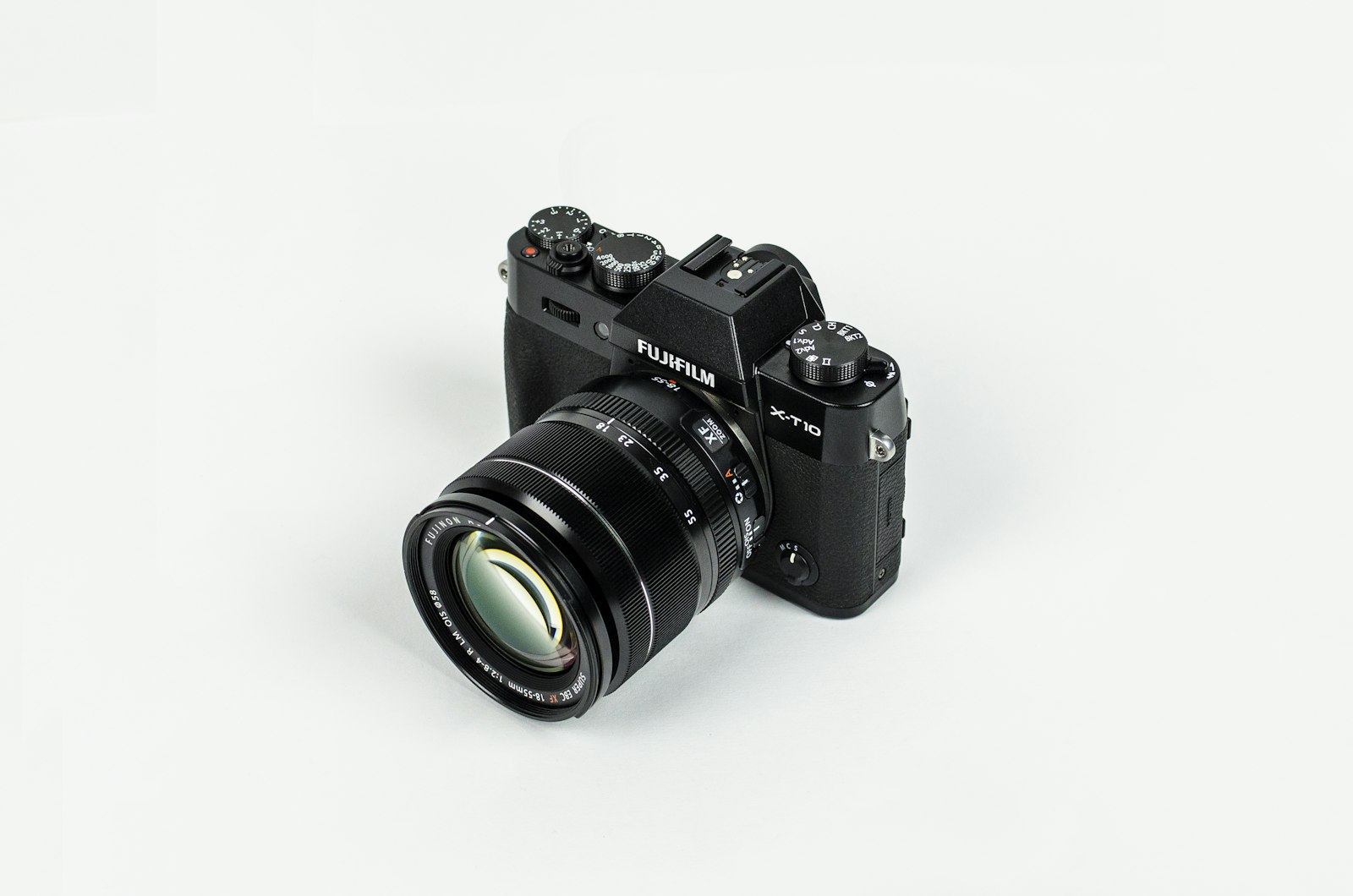
Photographing an event on a yacht bears no real resemblance to covering a wedding in a vineyard estate or a Provençal château. The format has its constraints, but it also offers advantages that few other environments can provide.
The light of the Mediterranean
The first asset is intangible: the particular quality of Mediterranean light. The French Impressionists — Monet at Antibes, Signac at Saint-Tropez, Bonnard at Le Cannet — understood this perfectly. That light operates in several registers: the crisp brightness of midday, the warm honeyed glow of late afternoon (the golden hour), and the suspended cobalt suspended between dusk and night (the blue hour). No studio, no artificial set-up can reproduce the subtlety of those transitions.
The dynamism of the setting
Unlike a ballroom or a garden, a yacht moves. That mobility is a technical challenge, but it is also a creative opportunity: the backdrop changes minute by minute. The same ceremony can unfold against a rocky shoreline, then against an open horizon, then beneath a passing sailing yacht. The photographer is handed a visual range of rare richness.
The intimacy of the format
A yacht limits guest numbers — generally between twelve and eighty. That intimacy radically changes the nature of the reportage. Guests are fewer and therefore more recognisable; emotions more visible; interactions more authentic. The photographer can devote time to each guest, multiply portraits, follow subjects closely without intruding. It is the exact opposite of the large reception where every photograph eventually looks the same.
The technical challenge
A yacht in motion, salt spray, light that shifts quickly, constraints of space: photographing on water demands a higher level of technical command than any studio. Stabilisation, equipment protection, managing constant backlight against the sea — these constraints paradoxically attract the most exacting photographers, those who see in a maritime event a genuine field for artistic exploration.
The Different Types of Events Photographed on a Yacht
Each kind of event calls for its own photographic approach. Here are the principal categories we regularly document.
Exceptional weddings at sea
The yacht wedding is the most common and most complete commission. It brings together several distinct photographic sequences: the couple's preparations, the boarding, the secular ceremony on the upper deck, the cocktail reception, the dinner, the dancing, and finally the couple's portraits at sunset — often considered the high point of the day. The preferred style is one of documentary photography in movement, in the spirit of Magnum, punctuated by posed but natural portraits. The wedding becomes a visual narrative of eight to twelve hours, whose final album tells the story with the rigour of a literary work. For more on this format, see our page dedicated to yacht weddings.
Anniversaries and private celebrations
A fiftieth birthday, a golden wedding anniversary, an exceptional family reunion: each calls for a different eye. Here the photographer concentrates on intergenerational portraits, moments of authentic emotion between relatives, the details that quietly recount a life. Yacht photography in this context often produces images that will end up framed in family drawing rooms for decades. See also our page on yacht birthday celebrations.
Proposals and intimate moments
When the subject is a marriage proposal organised in secret, the photographer works at a distance, often hidden in a discreet area of the yacht or positioned on a tender. The resulting images carry an unusual emotional charge. The technique demands flawless command of the telephoto lens and meticulous planning — there is no second chance.
High-end corporate seminars
For a corporate event on a yacht — client dinner, board off-site, product launch — photography serves a strategic function. Corporate portraits of senior leaders, atmosphere images for internal communications or press relations, documentation of moments shared with VIP clients: each frame becomes a communications asset. The style is more composed, more institutional, without abandoning auteur elegance.
Exhibitions and private views afloat
An emerging phenomenon: certain art galleries and private foundations now stage private views at sea. The concept of the floating gallery (the seaborne photo gallery) consists in presenting a selection of works — photographic prints, light sculptures, video installations — in the main saloon or across the decks of a yacht for the duration of a cruise. Photographic coverage of these events calls for a particular sensibility: documenting the works on view, the architecture of the yacht itself, and the encounters between the collecting public and the pieces on display. It is a refined niche that connects directly to the great tradition of photographic exhibitions at The Photographers' Gallery or at the V&A.
Concerts and artistic performances
An increasing number of patrons are commissioning private concerts aboard their yachts — chamber music recitals, dance performances, literary readings. Photographing these moments rejoins the great tradition of cultural reportage: capturing the interaction between performers and audience, restoring the atmosphere of the performance, fixing for memory an instant that is, by nature, ephemeral. On this subject, see our full guide to classical concerts on a yacht in the Mediterranean.
What kind of event would you like to immortalise?
Wedding, anniversary, proposal, private view, seminar: each format calls for its own photographic style. Our team in Valencia connects you with the photographer best suited to your project.
The Photographic Style Suited to the Event
Choosing a precise photographic style is as important as choosing the photographer. Here are the principal aesthetics on offer, with their characteristics and their historical lineage.
Documentary photography: "the decisive moment"
Direct heir to Cartier-Bresson and the Magnum school, documentary event photography seeks to capture moments as they happen, without interference from the photographer. The resulting images are alive, authentic, sometimes imperfect — but they tell a true story. This is the style most admired by lovers of auteur photography, and the one that produces the most enduring fine art prints. On a yacht, it demands great mobility from the photographer, fast lenses (24-70mm f/2.8, 70-200mm f/2.8) and a swift reading of situations.
Fine art portraiture: the open-air studio
The posed but natural portrait descends in a direct line from Nadar and the great nineteenth-century portraitists, and finds its modern British exponents in Beaton, Bailey and Parkinson. On a yacht, the foredeck or the bathing platform form exceptional "natural studios": diffuse light bouncing off the sea, clean backgrounds, the ability to isolate subjects. Such images, when printed large (framed fine art prints), take on an almost museum-grade presence.
Maritime landscape photography: the sea as setting
Some events deserve to have the landscape take precedence over the figures. This is the case for atmosphere images, album covers, and fine art prints intended for large-format framing. Cap de Creus, Sa Pedrera on Ibiza, the coves of Formentera and the calanques of the Costa Brava offer settings of such visual force that, on occasion, they suffice on their own.
Fashion and lifestyle: contemporary elegance
For couples or groups who admire the aesthetic of fashion magazines and luxury brands, a photographer specialised in fashion lifestyle brings an additional dimension. Inspiration from the covers of British Vogue, the editorials of Harper's Bazaar: dresses flying in the wind, low-angle framing, choreographed movement. It is a more directed approach but produces images of immediate visual impact.
Black and white: the gallery language
Black and white remains the universal language of fine art photography. A black-and-white image escapes time: it could have been made yesterday or fifty years ago. For ceremony portraits, emotional moments and details (intertwined hands, exchanged glances), black and white brings a literary dimension that colour cannot reproduce. It is the format favoured by the great photo galleries and by the contemporary photographic scenes of London, Paris and Berlin.
The golden hour: the Mediterranean signature
Between 6.30 pm and 8.00 pm in season, Mediterranean light reaches a quality photographers call the golden hour. Portraits made within that window carry a warmth that nothing can imitate. Our standing recommendation: schedule the high point of your event (the exchange of vows, the principal toast, the first official kiss) squarely within the golden hour. No retouching will ever rival the magic of that natural light.
The blue hour and the night
After sunset, for perhaps a quarter of an hour, the sky takes on that deep blue that contrasts with the warm light of candles and yacht lanterns. This is the blue hour, at times more beautiful even than the golden hour. Later in the evening, images made beneath the stars or the moon lend the album a dreamlike dimension. Photographing at night demands advanced technique — fast sensors, high but controlled ISO, sometimes targeted deck lighting.
Choosing a Photographer for a Yacht Event
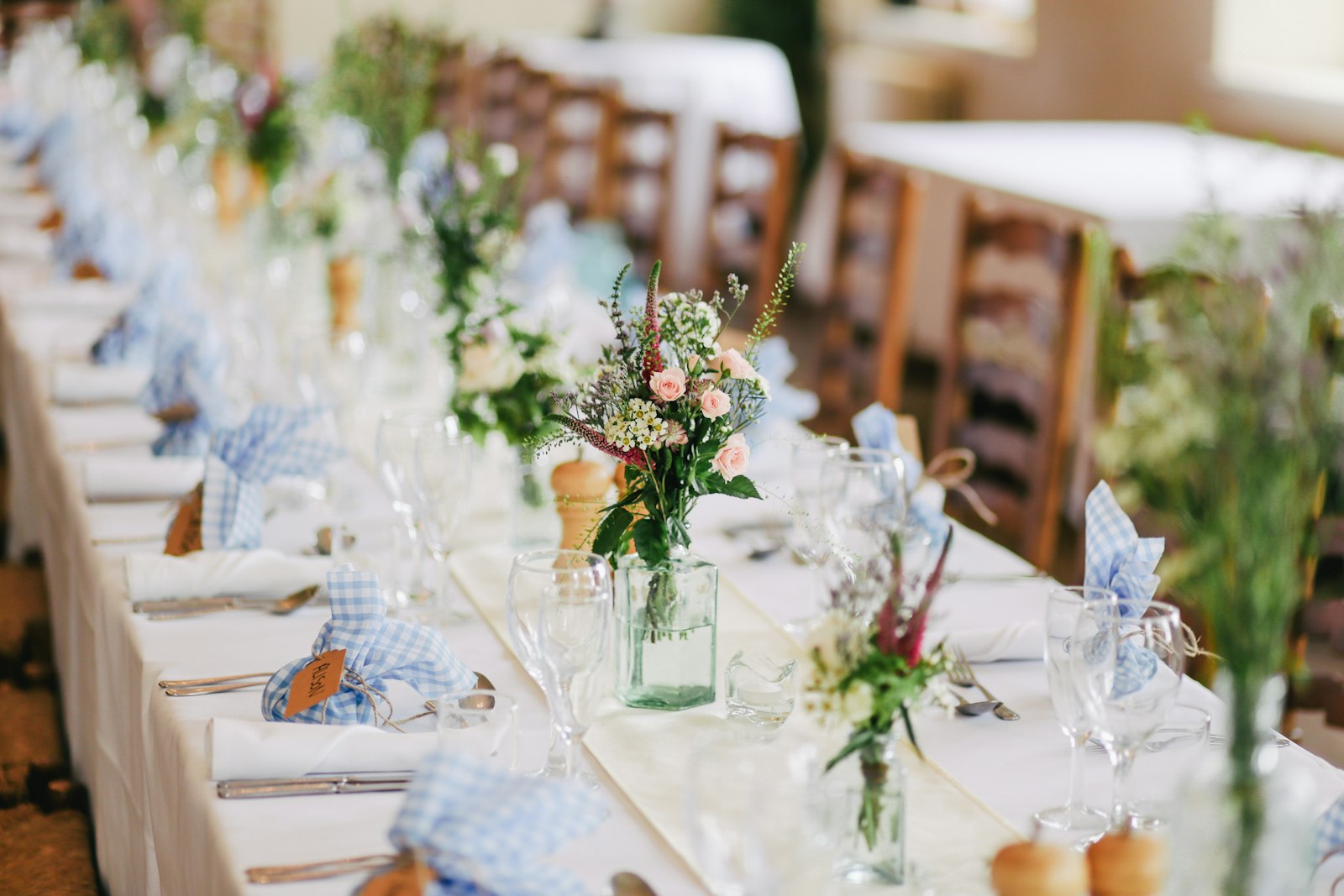
Not every professional photographer is equally at ease in the specific context of a maritime event. Here are the criteria that make the difference.
Real maritime experience
A photographer accomplished in the studio or in the open air is not automatically comfortable on a yacht. The particularities — instability, salt spray, shifting light, confined spaces — demand a familiarity only repeated practice can supply. Always ask to see a portfolio that includes maritime events: that is the minimum guarantee.
Style and signature
Documentary, posed, fashion, fine art: every photographer has a recognisable signature. Look attentively at several complete reportages (not merely the "best of") to understand whether his or her eye matches your own. A great documentary photographer will not make a great fashion photographer, and vice versa.
Technical capability
For a full yacht event, the ideal photographer carries two professional bodies (one with a telephoto, one with a wide-angle, both ready simultaneously), a range of fast lenses, a certified drone for aerial views, and — for larger events — an assistant for quick lens changes. The ability to photograph in low light (recent sensors, fast f/1.4–f/2.8 optics) is non-negotiable for evening moments.
Language and rapport
For an international clientele, choosing a fine art photographer with whom you can communicate fluently changes everything. Conversation during the shoot — placements, direction, dialogue with guests — flows more easily, and the briefing notes the photographer provides afterwards will be more precise. Our coordinator will always identify photographers who match your linguistic preferences.
Budget and packages
Professional photographers typically offer several packages: half-day (four hours, ideal for ceremony plus cocktails), full day (eight to ten hours, the classic wedding format), extended package (with preparations or a next-day shoot), and additional options (video, drone, album, framed fine art prints). Fees range from €2,500 to €12,000 depending on the package and the standing of the photographer.
Usage rights
A point often overlooked: before signing the contract, clarify how the images may be used. Will you be free to print them, share them on social media, use them for future invitations? Does the photographer retain a portfolio right or the right to use them in a future exhibition? These points should be set out clearly in writing.
Technical Equipment: The Challenge of the Sea
The marine environment imposes technical constraints that photographers understand but clients often do not. Here are the principal aspects to anticipate.
Protecting the equipment
Sea salt and ambient humidity are the worst enemies of camera gear. Professional maritime photographers use rain covers, microfibre cloths regularly replaced, silica gel sachets in their bags and — for longer commissions — regular lens cleaning between sequences. Some travel with a duplicated set of optics so that any failed lens can be swapped instantly.
Stabilisation at sea
The movement of the yacht at anchor, even slight, complicates slow shutter speeds. Maritime photographers favour quick shutter speeds (1/250s minimum), rely on the optical stabilisation built into modern lenses, and adopt stable postures on deck. The monopod is often preferred to the tripod in this environment.
Drones and aerial views
The drone unlocks extraordinary creative possibilities: aerial views of the yacht, wide shots that include the coastline, tracking movement above the ceremony. But its use is governed by Spanish regulation: certified pilot (AESA), permitted zones, maximum altitude, prior authorisation depending on the mooring locations. Our team handles those clearances in advance whenever a drone is part of the brief.
Backup and real-time data security
A memory card that fails halfway through a wedding is a professional nightmare. Serious photographers use bodies with dual slots (two cards written simultaneously for redundancy), incremental SSD backups between sequences, and regular visual checks. For prestige events, some photographers travel with an assistant dedicated entirely to managing cards and backups.
Underwater photography
For couples with a particular sense of adventure, certain specialised photographers offer underwater shoots: portraits of the couple free-diving, a symbolic plunge of the dress, an underwater kiss. This is a highly specific niche that demands professional waterproof equipment (dedicated housing, underwater strobe) and a photographer qualified for diving. The resulting images are of a rarity that fully justifies the additional investment.
The Mediterranean Aesthetic: A Natural Studio
Beyond technique, it is the Mediterranean aesthetic itself that makes this environment so favourable to fine art photography. Here are the principal elements.
The Mediterranean palette
The western Mediterranean has a palette unmistakable to anyone who has spent time on it. The ultramarine of deep water, the turquoise of the coves, the ochre of rocky cliffs, the immaculate white of contemporary yachts, the brick red of coastal roof tiles: together they compose a chromatic framework of exceptional visual force. The French Impressionists — Cézanne in Provence, Renoir at Cagnes, Matisse at Nice — recognised it; so too did the British painters who flocked south, from Augustus John to Roger Fry. Contemporary photographers continue to exploit that palette for images of particular intensity.
Photogenic locations in the western Mediterranean
Not every Mediterranean destination is equal in photographic potential. Here is our selection of the most remarkable.
Côte d'Azur — the classic French coast: Cannes (the Croisette, Île Sainte-Marguerite), Nice (the Promenade des Anglais, Villefranche-sur-Mer), Saint-Tropez (Pampelonne, the bay at sunset). The classic Riviera, photographed continuously since the nineteenth century.
Costa Brava — maritime Catalonia: Tossa de Mar with its medieval castle overlooking the bay, Cadaqués (Salvador Dalí's house, the whitewashed villages), Cap de Creus with its surreal rock formations. Dalí himself photographed this region with passion; it remains one of the loveliest Mediterranean settings.
Balearics — the mythical archipelago: Ibiza with its celebrated Sa Pedrera at Cala d'Hort (the rock of Es Vedrà offers one of the most photographed sunsets in the world), Formentera with its translucent coves (Cala Saona, Ses Illetes), Mallorca with its dramatic bays (Cala Mondragó, Port de Sóller).
Catalan and Valencian coast — less obvious, but extraordinarily rich: Sitges and its modernist villas, the Ebro delta, the Valencian coast and the Albufera natural park, Dénia and Jávea with their turquoise waters.
The best months for photography
From May to October, the western Mediterranean offers ideal conditions. May and June bring a particularly soft light, manageable temperatures and modest crowds. September and October are magnificent: still-warm light, frequently clear skies, sea still warm enough for swimming sequences. July and August, photographically more intense, demand careful scheduling because the sites are busier.
Discover our exceptional yachts
Our Valencia-based fleet opens the door to the finest photographic settings of the western Mediterranean. Motor yachts, sailing yachts, catamarans: each vessel has its own visual potential.
How to Prepare Your Event for Beautiful Photographs
The success of an event reportage depends as much on the preparation of the event itself as on the photographer. Here are our recommendations.
Dress code: fabrics, colours, light
Certain wardrobe choices photograph better than others in a maritime environment. Favour: fluid fabrics (linen, silk, chiffon) that respond to wind and create movement; neutral or soft colours (ivory, beige, terracotta, navy, off-white) that harmonise with the Mediterranean palette; delicate prints rather than heavily graphic patterns. Avoid: pure brilliant whites that "burn" under the midday sun, absolute blacks that "close up" in shadow, busy patterns that distract the eye.
Timing around the golden hour
Our standing advice: schedule the most important moments between 5.30 pm and 8.30 pm in season. Ceremony at 6.00 pm, cocktails at sunset around 7.30 pm, dinner as night falls. That timetable allows the photographer to produce 80% of the album's keepers in optimal light.
Staging and choreography
Without descending into the rigidity of a fashion shoot, certain discreet stagings considerably improve the images. The placement of guests for the toast, the positioning of the couple for the exchange of rings, the moment when guests gather on the upper-deck gangway: each is an opportunity to anticipate with the photographer and the yacht's coordinator.
Decoration and flowers: what photographs well
Natural flowers (peonies, eucalyptus, Mediterranean herbs) photograph far better than artificial arrangements. Candles are precious allies for the evening. Tables dressed with linen runners and simple tableware create more elegant images than overloaded settings. Minimalism pays, in photography as in the art of the table.
Briefing your guests
A small but appreciated detail: let your guests know discreetly, on the invitation or in a welcome note, that a photographer will be present. Specify whether (or not) you wish them to share images on social media, and from when. That briefing prevents intrusive selfies during the solemn moments and encourages everyone to attend more naturally to the present instant.
Practical logistics
For the photographer and assistant: provide a dedicated space onboard for their equipment (a locker, a cabin, a secure corner), access to power outlets for battery charging, and clear indication of any movement constraints (guest-only zones, technical areas where the photographer may stand). A thirty-minute briefing the evening before with the captain, the coordinator and the photographer avoids most of the day-of misunderstandings.
From Photography to Fine Art Print
The shoot itself is only one stage: the true work is built in post-production, then in the choice of fine art print. This is where fine art photography distinguishes itself decisively from a routine commercial reportage.
Post-production: an art in its own right
A great photographer typically spends two to four hours of post-production for every hour of shooting. That stage involves: selecting the best images (typically 5 to 8% of the raw files), RAW development to adjust exposure and white balance, localised retouching (skin, contrast, colour casts), and bringing the whole set into chromatic coherence. It is in this phase that the visual "signature" of a reportage is born.
Colour or black and white?
Colour restores the real atmosphere of the event, the warmth of Mediterranean light, the nuances of wardrobe. Black and white, on the contrary, abstracts, elevates, makes timeless. Our recommendation for a premium album: a subtle mix — roughly 70% colour (ceremony, dinner, atmosphere) and 30% black and white (portraits, details, charged emotions). That proportion creates a visual rhythm reminiscent of the great fine art photography books.
The fine art print: papers, formats, finishes
A framed fine art print bears no relation to a standard lab print. Fine art papers — Hahnemühle Photo Rag, Canson Baryta, Ilford Galerie — offer reproductions of exceptional depth and superior longevity (more than a hundred years under correct conservation conditions). Formats vary by use: from 30×40 cm for a drawing-room frame to 100×150 cm for a feature wall piece, with panoramic formats (30×90 cm) particularly suited to maritime landscapes.
The art book album
The art book format, direct heir to the great photographic albums of the twentieth century (those that Thames & Hudson, Steidl and the Magnum masters published), remains the most prestigious culmination of a premium reportage. Hand-stitched binding, 200gsm matt paper, considered typographic layout: such a book, kept within a family, becomes a genuine cultural artefact, transmissible across generations. Allow €800 to €3,500 for an art book album depending on format and finish.
Building a domestic photo gallery
Beyond the book, certain of our clients choose to go further: select eight to fifteen images from their event, print them large and framed, and assemble a true gallery within their home — an entire corridor, a drawing-room wall, a dedicated staircase. That practice, inherited from the great European houses that have collected photography since the nineteenth century, lends the best frames of your event the standing of a piece of family heritage.
Photographers and Artists Recommended in the Mediterranean
Without naming specific individuals (which would tip this guide toward commercial recommendation rather than editorial perspective), it is useful to understand the principal types of photographic profiles active in the western Mediterranean.
British and northern European photographers based in Spain
A significant community of British, Dutch and Scandinavian photographers now works between Barcelona and the Costa Brava. Often trained at the Royal College of Art, the London College of Communication, or at major European schools, these photographers bring the rigour of northern European training to a Mediterranean climate. Many maintain active links with London galleries and exhibit regularly across the UK and in Spain.
Catalan photographers with an international profile
The Catalan photographic school has a strong identity of its own, inherited in part from the surrealist tradition of Dalí and from the cultural depth of Barcelona. A number of Catalan photographers exhibit regularly in major photo galleries across Europe and beyond. For clients seeking a distinctive visual signature, it is an option to take seriously.
The Magnum approach versus fashion photography
The most important stylistic divide is not national but aesthetic. On one side, the photographers descended from the Magnum Photos tradition (documentary sobriety, the decisive moment). On the other, those who come from fashion and lifestyle (staging, a commercial aesthetic, heavy post-production). Neither is intrinsically superior: it depends on your vision and on the use you will make of the images.
Studios versus individual artists
Studios offer the advantage of operational reliability (full team, duplicated equipment, predictable scheduling), while individual artists often bring a more pronounced signature and a stronger personal involvement. For a prestige event, our usual advice: favour a recognised artist accompanied by an assistant, rather than an anonymous studio.
Ties to the London and Paris photographic scenes
The photographers most interesting to our international clientele generally maintain links with the London and Paris photographic scenes: occasional shows at The Photographers' Gallery or Hamiltons, presence at fairs such as Photo London and Paris Photo, publication in specialised journals. That cultural anchoring tends to translate, in the images, into particular attention to composition, framing and the long photographic tradition we outlined at the start.
Fees and Investment
Understanding the economics of event photography helps to frame your budget intelligently. Here are the orders of magnitude on the premium Mediterranean market.
Half-day (4-5 hours)
For a ceremony plus cocktails without dinner, or for a stand-alone proposal: from €1,800 with an established photographer. Generally includes: shooting, an edited selection of 150 to 250 high-resolution images, delivery via a secure online gallery. Travel costs and add-ons not included.
Full day (8-10 hours)
The standard wedding format covering preparations, ceremony, cocktails, dinner and the start of the evening: between €3,500 and €6,500 with an established photographer. With a photographer of high standing (press publications, gallery exhibitions): between €6,500 and €12,000. Delivery: 400 to 600 edited images.
Extended package
With a second day (the day after the wedding, brunch, a couple photoshoot two days later): a surcharge of 30 to 50%. A format favoured for more intimate weddings where the couple wishes to prolong the photographic experience.
Additional options
Video (a film of five to fifteen minutes in cinematic edit): €2,500 to €8,000 depending on length and production level. Drone: €600 to €1,200 for a full aerial session with a certified pilot. Art book album: €800 to €3,500. Framed fine art prints: €250 to €1,500 per print depending on format and finish. Underwater photography: an additional €800 to €2,000.
Comparison with the London market
Photographic fees in the western Mediterranean (Barcelona, the Balearics, Valencia) are generally 15 to 25% lower than those in central London for an equivalent level of service. It is one of the economic arguments in favour of a maritime event — quite apart from the fact that the quality of the natural setting adds a value that London cannot, by nature, supply.
Frequently Asked Questions
How many hours of photography are necessary?
For a full wedding: 8 to 10 hours comfortably cover preparations, ceremony, cocktails, dinner and the start of the evening. For an anniversary or seminar: 4 to 6 hours are usually enough. For a proposal: 2 to 3 hours, with safety margins for the unexpected.
How does the shoot unfold?
An initial conversation (by phone or in person) sets out your expectations, the style you wish for and the running order of the day. A written briefing note is then produced. On the day itself, the photographer arrives 30 to 45 minutes before the official start to scout the location, prepare equipment and meet the coordinator. The shoot then follows the agreed timeline.
How long until the photographs are delivered?
Standard turnaround: 4 to 8 weeks for the full edited selection. A "preview" of 20 to 30 images is available within 5 to 10 days of the event, particularly useful for social media announcements. Framed fine art prints and art book albums add 3 to 6 weeks depending on the finish chosen.
What rights do we have over the images?
Standard practice: unlimited private use (printing, sharing with relatives, social media), but without transfer of copyright. The photographer retains intellectual property and may use selected images in his or her portfolio, in personal exhibitions, or for the press. This point may be negotiated specifically (confidentiality clauses, publication restrictions) for sensitive events.
Can we request a specific style?
Absolutely. The initial briefing is the moment to specify your preferences: more black and white, more posed portraits, fewer "group scenes", a documentary feel or a more directed one. The more precise you are, the more closely the photographer can align with your vision.
What happens if the weather is poor?
Our team monitors forecasts for several days before the event. In the event of bad weather: a fall-back to the main saloon (working with carefully arranged interior light), a move to a sheltered cove, or — as a last resort — a partial postponement as the contract provides. Rain can paradoxically produce beautiful images (reflections, the melancholy atmosphere of a Bill Brandt landscape): a good photographer knows how to use it.
Does the photographer speak English?
Our coordinator systematically identifies photographers who speak fluent English from among the profiles proposed. Several British and international photographers based in Catalonia or the Balearics form part of our regular partner network.
Can we commission an art book or framed prints?
Yes — and we strongly recommend it. Too many premium events settle for a digital delivery that eventually sinks into the oblivion of hard drives. Investing in an art book album and in five to ten framed fine art prints gives your event a durable material presence. Our partner photographers offer turnkey services for that final dimension.
A Living Tradition, at Your Side
To photograph an event on a yacht in the Mediterranean is to inscribe one's personal story within a lineage that spans more than a hundred and eighty years of fine art photography. From the early daguerreotype to today's fine art prints, from the great photo galleries of London and Paris to the coves of Ibiza, what is at stake is always the same: the fragile, irreplaceable encounter between a trained eye, an exceptional light, and an instant that will never recur.
A yacht in the Mediterranean is not a mere backdrop. It is the seaborne extension of a great European tradition of attention to beauty, to composition, to the art image. Whether your project is a wedding, an anniversary, a proposal, a private view or a seminar, the Mediterranean aesthetic offers your event a setting few other environments can match. Our team in Valencia accompanies your project end to end, from the choice of photographer to the final delivery of the art book.
Let us capture the moment of your event
Tell us about your project — wedding, anniversary, seminar or floating exhibition. Within 24 hours, our coordinator will propose several photographers suited to your style, your budget and your Mediterranean destination. No obligation.