Here is the sentence most booking pages for a sunset cruise in Valencia will never print: from the water off Valencia, the sun does not set into the sea. It cannot. Valencia sits on Spain's east coast; stand on a deck offshore and the open Mediterranean is behind you to the east, while the sun goes down over the land — over the city, the port, and the hills of the interior beyond.
If that sounds like a confession, it is the opposite. We wrote the same honest geometry lesson about Barcelona's sunset sail, and the conclusion here is the same: once you stop expecting the postcard that physics never offered, what the Valencian evening actually delivers is arguably better — and it comes with a secret twin that almost nobody books. This guide covers what really happens at golden hour on this coast, how to time it, what to bring, and the sunrise option that turns the geometry back in the sea's favour.
The Geometry: Where the Sun Actually Goes
Valencia's coastline faces east — broadly toward the sunrise, toward the Balearics somewhere over the horizon. So in the evening, the sun drops toward the land side: behind the city skyline, the cranes of the port, and eventually the inland hills. From a boat a mile or two offshore, you are effectively sitting in the back row of an amphitheatre looking west at the whole illuminated stage of the city.
Two honest consequences follow. First, you will not watch a red disc melt into the water — anyone promising that is describing Spain's other coast. Second, and this is the part the postcard-chasers miss: because the sun sets behind the city while you float in front of it, the entire seafront — Malvarrosa's long sand, the port silhouette, the towers of the skyline — catches the evening light face-on, and you are in the only seat that sees it. On shore, everyone is inside the picture. From the deck, you are the audience.
What a Sunset Cruise in Valencia Really Delivers
The evening has three acts, and knowing them is the difference between a nice boat ride and the full show.
Act One: Golden Light on the City and the Beach
In the last hour of direct sun, the light comes in low and warm across the water and strikes the city broadside. Malvarrosa beach turns the colour of honey; the seafront façades glow; the boats in the marina throw long shadows across each other. This is the light wedding photographers chase, painted across an entire coastline — and it is at its best seen from slightly offshore, where the whole composition fits in one gaze. It is also the warmest part of the evening: the right slot for the swim stop, while the sea still holds the day's heat.
Act Two: The Sun Drops Behind the Land
As the sun reaches the horizon of rooftops and hills, the direct light fades earlier than your weather app's sunset time implies — the land's skyline stands higher than a sea horizon would. The sky over the city often does its best work now: bands of apricot, rose, and violet stacked above the silhouette, with the afterglow lingering long after the disc has gone. The sea around the boat turns to pewter and goes strangely quiet. If there is a toast planned, this is its moment.
Act Three: Blue Hour and the City Lights
Then comes the act that no beach towel and no rooftop bar can match. The sky deepens through cobalt toward ink, and Valencia switches itself on: the seafront strip, the port, the marina, the distant towers — thousands of lights igniting one by one across the water, doubled in reflection as the sea blackens. From a silent deck offshore, it is the most romantic half hour the city has, which is why our romantic sunset cruise is built to stay out for it. The most common mistake on any evening charter is heading in at official sunset — that is leaving the theatre at the interval.
The Sunrise Alternative: The Sea Gets Its Turn
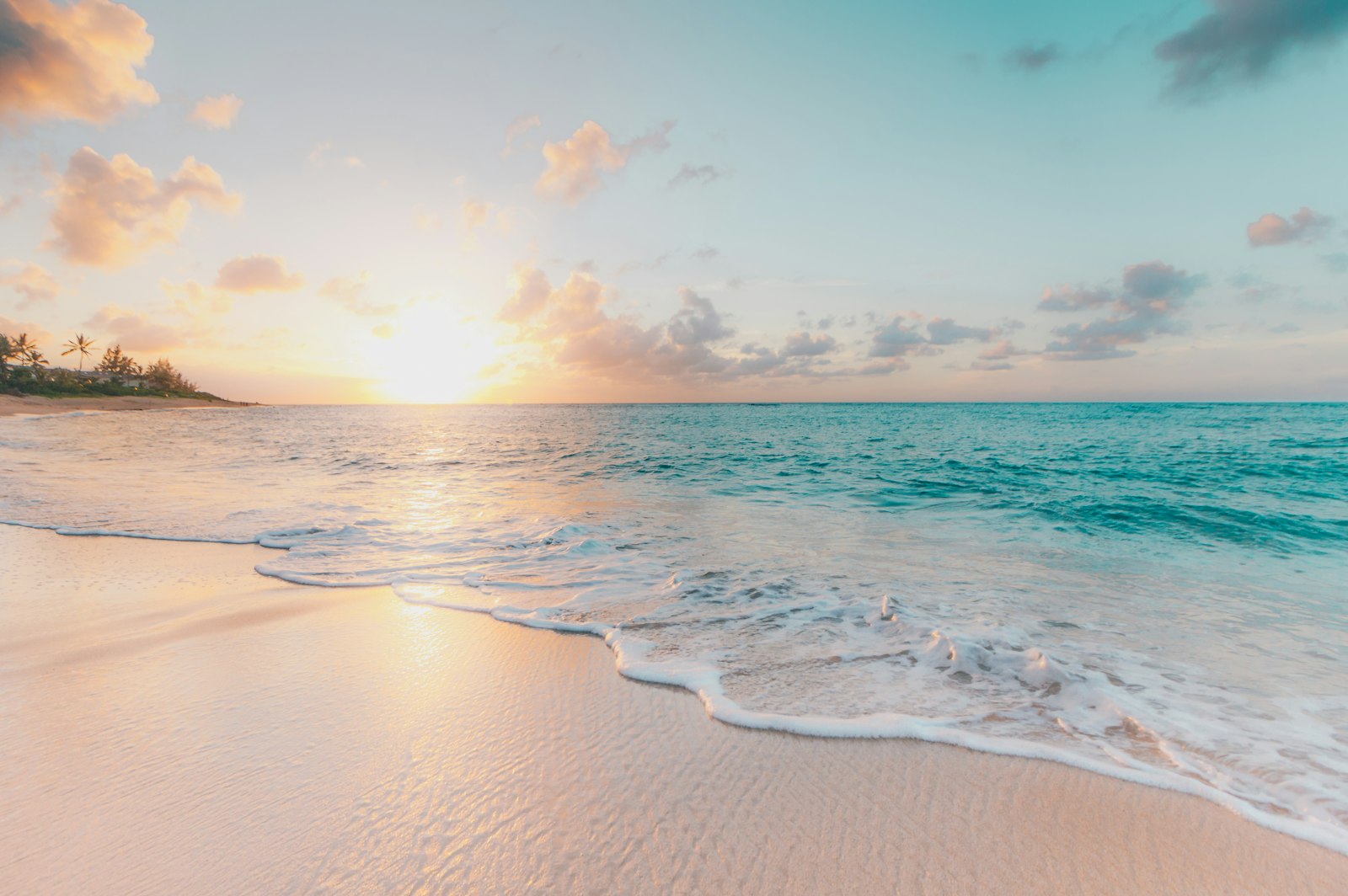
Now the twist that the east-facing geometry gives Valencia and takes from the west-facing coasts: here, the sun rises out of the sea. The exact spectacle the evening cannot legally provide — a glowing disc climbing straight off the water's horizon — happens every single morning, facing exactly the direction the deck already points.
A sunrise sail is the connoisseur's booking. The sea at dawn is typically at its calmest of the whole day, the light runs the same golden physics as the evening in reverse, and you share the water with fishermen and almost no one else. For couples marking an occasion, for photographers, or simply for travellers who want the version of the Mediterranean nobody's feed has seen, the dawn slot is the quiet masterpiece of this coast. It also pairs beautifully with a day plan: sunrise on the water, breakfast at the marina, and the whole day still ahead of you — or roll straight into a full day trip down the coast.
Timing Your Cruise
- Board 90 minutes to 2 hours before published sunset. That buys you the swim stop and the full golden hour in position, facing the city, drink in hand, before the light peaks.
- Remember the land horizon. The direct light ends a little before the printed sunset time — build your expectations, and your photographs, around the half hour before the app says the show starts.
- Stay 30 to 45 minutes past sunset. Blue hour and the city lights are the climax. A cruise that docks at dusk has sold you two acts of a three-act evening.
- For sunrise: boarding is roughly 30 to 40 minutes before first light — painful to contemplate, universally described as worth it by everyone who has done it.
Seasons: When the Evening Is at Its Best
June to September is the classic window: warm nights, swimmable water, sunset late enough that the cruise flows naturally into dinner. May and October are the insiders' months — softer light, quieter water, and golden hour at a civilised time; you may want a jumper for blue hour, and it is a small price. Winter evenings can be startlingly clear after frontal weather, with the crispest light of the year for photographers, though the swim stop retires until spring. For the broader calendar — wind, water temperature, pricing — see our guide to the best time to charter a yacht in Valencia.
What to Bring
- A layer. The first rule of every evening at sea: the breeze after sundown has an edge, even in August. One light jumper earns more gratitude than any other object on board.
- Swimwear and a towel in season — the pre-sunset swim in open water is half the point.
- A phone or camera you will actually use — and for blue hour, somewhere stable to brace it (see below).
- Flat, deck-friendly footwear. Heels and teak are old enemies.
- Seasickness tablets taken early for anyone susceptible, though evening water here is usually gentle.
Photography: Working the Evening
The Valencian evening gives photographers two distinct windows. During golden hour, shoot toward the city: the low sun does the lighting for you, and faces on deck are lit warm and soft with the skyline behind. Expose for the highlights and let the sea go rich and dark. During blue hour, the exposures lengthen: brace elbows on the rail, use the boat's stillness at anchor if the skipper offers it, and shoot the doubled city — lights above, reflections below. And one honest tip carried over from every coast we work: put the camera away for the ten minutes after the sun disappears. The afterglow is for eyes, and the photographs from that slot never match what you saw anyway.
Choosing the Boat for the Evening
The format should match the party. Two people celebrating something have a purpose-built option in the romantic sunset cruise — quiet deck, unhurried pace, a skipper who knows where to point the bow at each act of the evening. A group of friends who want the golden hour with music and a glass in hand will find the evening slots of the boat party in Valencia run the same water with the volume up. Bigger groups and families do well on the stability and space of a catamaran, and those who want the evening entirely on their own terms — route, pace, playlist, guest list — should simply take a private yacht charter and apply the timing rules above without mercy.
The honest sell, then, one more time: no, the sun will not sink into the sea off Valencia. Instead you get a city gilded, then silhouetted, then re-lit lamp by lamp across black water — and, for the early risers, the genuine article at dawn, rising out of the Mediterranean exactly as the brochures always pretended it set. Two shows daily, both underpriced. Tell us which one you want, and we will have the deck facing the right way.